How to Crochet for Beginners: A Complete Step-by-Step Guide
· admin
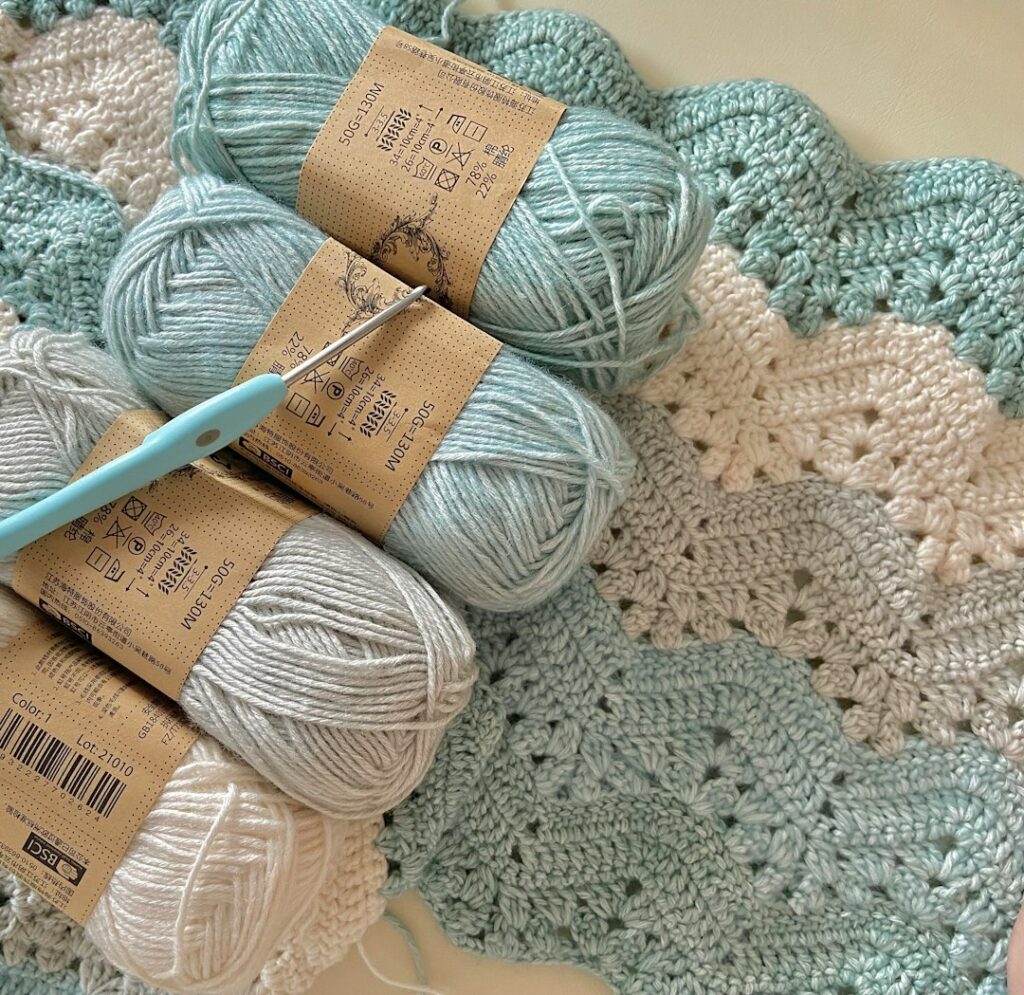
If you have always wanted to learn how to crochet but did not know where to start, you are in the right place. Crochet is a relaxing and creative craft that uses just a hook and yarn to make everything from simple coasters and scarves to blankets, bags, toys, and home decor.
This complete beginner guide will walk you through the basics step by step. You will learn what supplies you need, how to hold your hook and yarn, the most important beginner stitches, how to read simple crochet terms, and how to start your first project with confidence.
What Do You Need to Start Crocheting?
The good news is that crochet does not require a long list of expensive supplies. For your first practice session, you only need a few basic items.
- A crochet hook: A 5 mm or 5.5 mm hook is a comfortable size for many beginners.
- Medium-weight yarn: Look for worsted or category 4 yarn in a light color so you can easily see your stitches.
- Scissors: Any small pair of sharp scissors will work.
- A yarn needle: This is useful for weaving in loose ends when your project is finished.
- Stitch markers: Optional, but helpful for marking the beginning of a row or round.
For your first project, avoid very dark, fuzzy, or highly textured yarn. Smooth, light-colored yarn makes it much easier to see where your hook should go.
How to Hold a Crochet Hook
There is no single correct way to hold a crochet hook. Most crocheters use one of two common grips: the pencil grip or the knife grip.
With the pencil grip, you hold the hook much like you would hold a pencil. With the knife grip, you hold it from above, similar to holding a table knife. Try both and choose the one that feels most natural and comfortable for your hand.
The most important thing is to keep your grip relaxed. Holding the hook too tightly can make your hands tired and can make your stitches too tight.
How to Make a Slip Knot
Most crochet projects begin with a slip knot. Make a loop with the yarn, pull a second loop through it, and gently tighten the knot around your hook. The loop should move freely on the hook without being too loose.
A good beginner habit is to keep the loop slightly relaxed. If you pull it too tightly, inserting your hook into the next stitch can become difficult.
How to Crochet a Chain Stitch
The chain stitch is one of the first crochet skills to learn because it forms the foundation of many projects.
- Make a slip knot and place it on your hook.
- Wrap the working yarn over the hook from back to front. This is called a yarn over.
- Pull the yarn through the loop already on your hook.
- Repeat the same motion to make additional chain stitches.
When you are practicing, try to make each chain roughly the same size. Consistent tension will make your future projects look much neater.
The 4 Basic Crochet Stitches Beginners Should Learn
1. Single Crochet
Single crochet is short, dense, and easy to learn. It is commonly used for washcloths, amigurumi, baskets, and many beginner projects.
Insert your hook into the stitch, yarn over and pull up a loop. You will have two loops on your hook. Yarn over again and pull through both loops.
2. Half Double Crochet
Half double crochet is slightly taller than single crochet and creates a soft, flexible fabric. Yarn over, insert the hook into the stitch, yarn over and pull up a loop, then yarn over again and pull through all three loops on the hook.
3. Double Crochet
Double crochet works up quickly and is often used for blankets, scarves, garments, and granny squares. Yarn over, insert your hook into the stitch, yarn over and pull up a loop. Yarn over and pull through two loops, then yarn over once more and pull through the final two loops.
4. Slip Stitch
A slip stitch is a very short stitch often used to join rounds, move across stitches, or create simple edging. Insert the hook into the stitch, yarn over, and pull the yarn through the stitch and the loop on your hook in one motion.
Understanding Crochet Tension
Tension refers to how tightly or loosely you hold the yarn while crocheting. Beginners often struggle with tension at first, and that is completely normal.
If your stitches are very difficult to work into, your tension may be too tight. If your fabric looks uneven or has very large loops, your tension may be too loose. The goal is not perfection. Focus on making your movements comfortable and consistent, and your tension will improve naturally with practice.
Common Crochet Abbreviations
Many crochet patterns use abbreviations. These are some of the most common U.S. crochet terms you will see:
- ch — chain
- sl st — slip stitch
- sc — single crochet
- hdc — half double crochet
- dc — double crochet
- st — stitch
- sts — stitches
- rep — repeat
Always check whether a pattern uses U.S. or U.K. crochet terminology because some stitch names are different.
Your First Easy Crochet Project
A simple square or washcloth is one of the best first projects because you can practice the same stitch over and over without worrying about complicated shaping.
Easy Beginner Crochet Square
- Chain 21.
- Insert your hook into the second chain from the hook.
- Work one single crochet into each chain across. You should have 20 stitches.
- Chain 1 and turn your work.
- Single crochet into each stitch across.
- Repeat the previous row until your piece is approximately square.
- Cut the yarn, leaving a short tail, and pull the tail through the final loop.
- Use a yarn needle to weave in the loose ends.
Do not worry if the first few rows look uneven. Your goal is simply to get comfortable with the motion of making stitches and turning your work.
7 Beginner Crochet Mistakes to Avoid
- Holding the yarn too tightly. Relax your hands and let the yarn move smoothly.
- Skipping the first or last stitch. Count your stitches at the end of every row while you are learning.
- Choosing difficult yarn. Start with smooth, medium-weight yarn in a light color.
- Using the wrong hook size. Check the yarn label for a recommended range.
- Not recognizing the turning chain. Learn whether your pattern counts it as a stitch.
- Expecting perfect tension immediately. Consistency comes with repetition.
- Starting with a complicated project. Build confidence with a small square, scarf, or simple coaster first.
How Long Does It Take to Learn Crochet?
Many beginners can learn how to make a chain and basic stitches in a single practice session. Becoming comfortable with tension, stitch counting, and reading patterns takes a little longer.
Even practicing for 15 to 20 minutes a day can make a noticeable difference. Crochet is a skill built through repetition, so short and regular practice sessions are often more useful than trying to master everything at once.
Beginner Crochet FAQ
Is crochet easier than knitting?
Both crafts are beginner-friendly, but many people find crochet easier to start because it uses one hook and usually has only one active loop at a time.
What is the easiest crochet stitch?
Single crochet is one of the easiest and most useful stitches for beginners. Once you understand how to insert the hook and pull yarn through loops, the motion becomes very repetitive.
What size crochet hook is best for beginners?
A 5 mm or 5.5 mm hook paired with medium-weight yarn is a comfortable starting point for many new crocheters.
What should I crochet first?
Start with a small project that uses one basic stitch, such as a washcloth, coaster, simple scarf, or granny square. These projects give you plenty of practice without complicated shaping.
Ready to Start Crocheting?
The best way to learn crochet is to pick up your hook and begin. Start with a chain, practice a few rows of single crochet, and give yourself time to become comfortable with the movement.
Explore more beginner crochet guides and free crochet patterns on Crochet Pattern Nest as you build your skills one stitch at a time.
Leave a Reply